Concrete Scanning: The Key to Avoiding Costly Mistakes in Construction

Ashton Sawing and Drilling • July 20, 2026

Share this article

Avoid Issues with Concrete Scanning

Cost control and job site safety depend on knowing what lies beneath the surface before any cutting or drilling begins. This blog explains how concrete scanning helps crews locate embedded utilities, rebar, post-tension cables, and voids with accuracy, reducing delays and keeping projects on track. Our team has experience using advanced tools to deliver clear, reliable results. Readers will learn how ground penetrating radar concrete scanning supports smart planning, protects structures, and keeps schedules moving with confidence.

What Is Concrete Scanning?

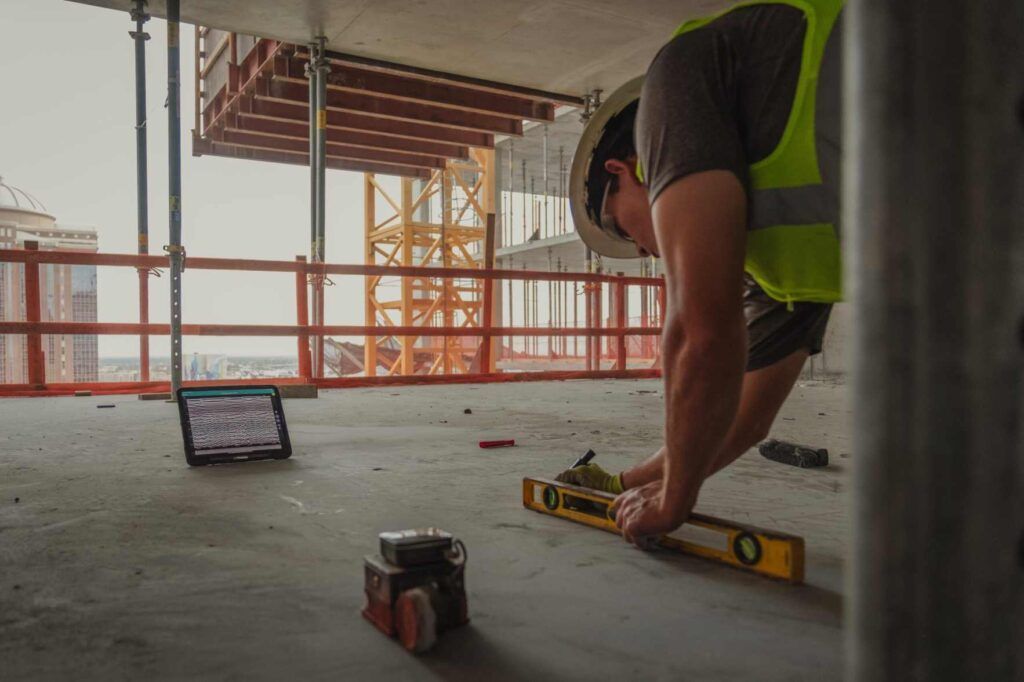
Concrete scanning gives crews a clear view of what sits inside a slab or wall before work begins. Ground penetrating radar concrete scanning uses high-frequency radar waves to detect rebar, post-tension cables, conduit, and hidden voids within concrete structures. The data appears in real time, which helps the crew mark safe drilling and cutting locations with precision. Accurate scanning supports better planning, protects structural integrity, and keeps projects moving on schedule. Skilled technicians interpret the results and deliver clear markings that guide each step of the work.

Why Concrete Scanning Is Essential

Professional concrete scanning services keep construction projects safe, efficient, and on schedule. Hidden elements within concrete can pose serious risks during cutting or drilling if not properly detected. Scanning identifies these features before work begins, helping prevent structural damage and protecting critical systems such as electrical or plumbing lines. Clear, accurate markings guide crews and support better decisions on site. Reliable scanning also reduces unexpected delays and costly repairs, allowing projects to move forward with confidence and control.

Key Applications for Concrete Scanning

Crews rely on scanning before core drilling, wall sawing, and slab cutting to locate embedded materials and choose safer paths for equipment. It supports remodeling projects by identifying utilities and structural components inside existing concrete. Scanning also helps during structural assessments, where teams need clear data about repair placement or slab thickness. Infrastructure work, including roadways and bridges, benefits from accurate scans that guide repairs and upgrades with precision.

Common Hidden Elements Detected

Concrete scanning reveals conditions beneath the surface and provides crews with a clear understanding of internal conditions before work begins. Accurate detection helps guide cutting, drilling, and coring with confidence. Technicians use advanced equipment to map embedded materials and mark exact locations on the slab or wall. This process supports safety execution and protects structural integrity. Below are a few common hidden elements identified during scanning:

  • Rebar – Reinforcing steel bars provide strength to concrete structures and are found in most slabs and walls. Scanning pinpoints their depth and spacing so crews can avoid cutting them.
  • Post-Tension Cables – These high-tension cables support structural performance in many buildings. Precise detection prevents damage that could compromise the structure or create safety hazards.
  • Electrical Conduit – Conduits carry electrical wiring through concrete and must remain intact during construction work. Scanning clearly identifies these lines to protect power systems and maintain safety.
  • Plumbing Lines – Water and drainage lines often run inside concrete slabs and walls. Accurate identification helps crews avoid breaks that could lead to costly repairs and delays.
  • Voids and Air Pockets – Empty spaces can form within concrete due to settling or improper placement. Detection allows teams to address these areas before they affect stability or performance.
  • Embedded Objects – Various items such as anchors, sleeves, or abandoned materials may exist inside concrete. Scanning detects these objects, allowing crews to adjust their approach and maintain precision.

The Benefits of Concrete Scanning

Clear insight into what lies beneath the surface supports better planning and execution on any job site. GPR scanning concrete provides accurate data that helps crews work with confidence and control. Teams use this information to make safe areas for cutting and drilling while protecting key structural elements. The benefits below show how these services add value:

  • Improved Safety – Concrete scanning reduces the risk of striking hidden hazards during cutting or drilling. Crews gain clear guidance that supports safer work practices.
  • Cost Control – Accurate detection helps avoid damage that leads to expensive repairs or rework. Projects stay within budget when crews work with precise information from the start.
  • Structural Protection – Scanning identifies critical components that support the integrity of a structure. Crews can plan work that preserves strength and long-term performance.
  • Better Project Planning – Detailed scan results give project managers reliable data for scheduling and coordination. Teams can align tasks more effectively and maintain steady progress.

Challenges in Concrete Scanning

Concrete scanning requires skill, experience, and the right equipment to deliver accurate results. Dense materials or closely spaced reinforcement can make it harder to distinguish between embedded elements. Moisture content in concrete may affect signal clarity and reduce depth accuracy. Complex structures with multiple layers demand careful interpretation of scan data. Equipment must be calibrated and used correctly to avoid misleading reading. Trained technicians help read results and mark findings clearly so crews can proceed.

Innovations in Concrete Scanning

Advancements in technology continue to improve the accuracy and efficiency of concrete scanning on modern job sites. New GPR systems provide clearer imaging, deeper penetration, and faster data collection, enabling crews to make informed decisions more quickly. Improved software allows technicians to analyze scan results in real time and produce detailed reports with precise markings. Compact, high-performance equipment offers greater mobility and access in tight spaces. Ongoing training and equipment upgrades ensure scanning methods remain reliable, consistent, and ready to meet evolving demands.

Move Forward with Confidence

Clear information leads to better results on every job site. Concrete scanning gives crews the insight needed to plan accurately, protect structures, and keep work moving without disruption. Experienced technicians and advanced equipment make a measurable difference in project outcomes. Teams gain confidence with every marked location and verified result. Reach out today to schedule professional concrete scanning and keep your next project running from start to finish.

Concrete Scanning FAQs

What Types of Materials Can Scanning Detect?

Scanning can locate rebar, post-tension cables, electrical conduit, plumbing lines, and voids. It can also identify embedded objects such as anchors or sleeves.

When Should Concrete Scanning Be Used?

Concrete scanning should take place before any cutting, drilling, or coring work begins. It is also useful during renovations, repairs, and structural assessments.

Is Concrete Scanning Accurate?

Concrete scanning delivers precise results when performed by trained technicians using advanced equipment. Accurate interpretation of the data ensures reliable markings and guidance.

Can Scanning Detect Deep Objects in Thick Concrete?

Modern equipment can identify objects at significant depths, depending on the material and site conditions. Skilled technicians adjust methods to achieve the best possible results.

Recent Posts

Ashton Sawing and Drilling team placing concrete using advanced construction techniques
By Ashton Sawing and Drilling July 22, 2026
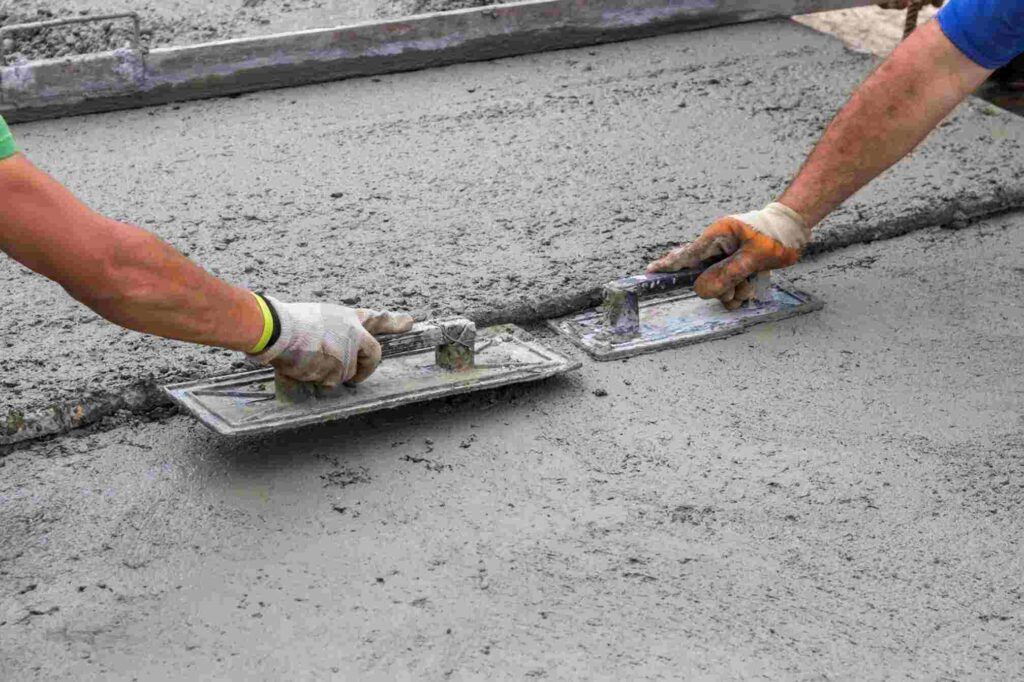
Discover how Ashton Sawing and Drilling supports advanced concrete placement techniques for complex, unique structures requiring precision and durability.
Ashton Sawing and Drilling performing precise core drilling in concrete wall
By Ashton Sawing and Drilling July 17, 2026
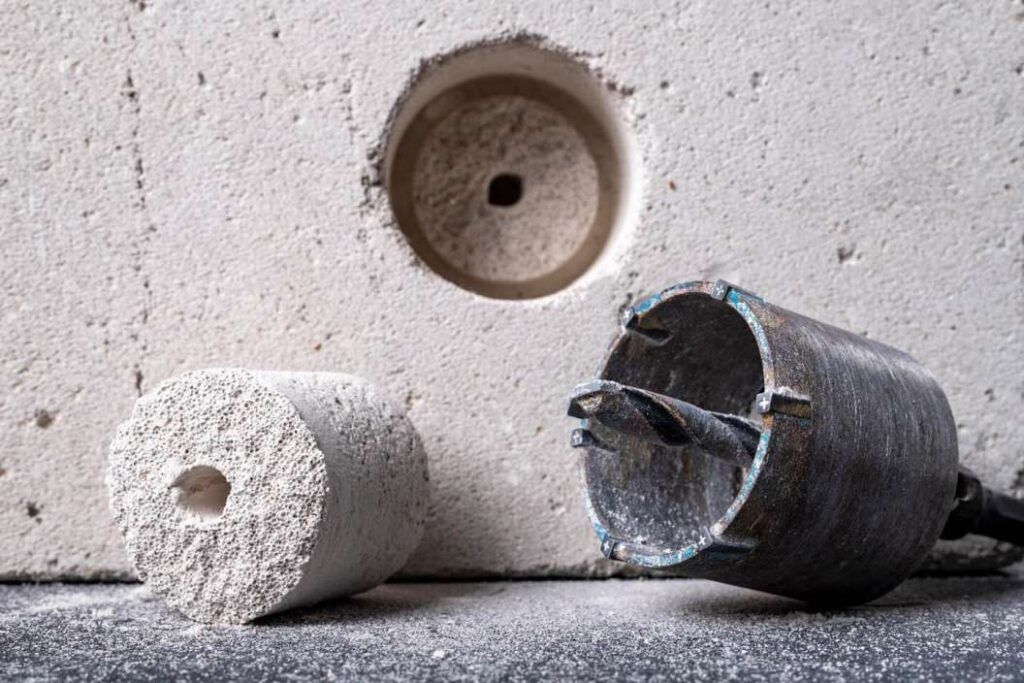
Learn how Ashton Sawing and Drilling ensures safe, accurate core drilling with industry best practices for efficient and precise concrete cutting projects.
Ashton Sawing and Drilling using wire sawing for complex concrete cutting projects
By Ashton Sawing and Drilling July 15, 2026
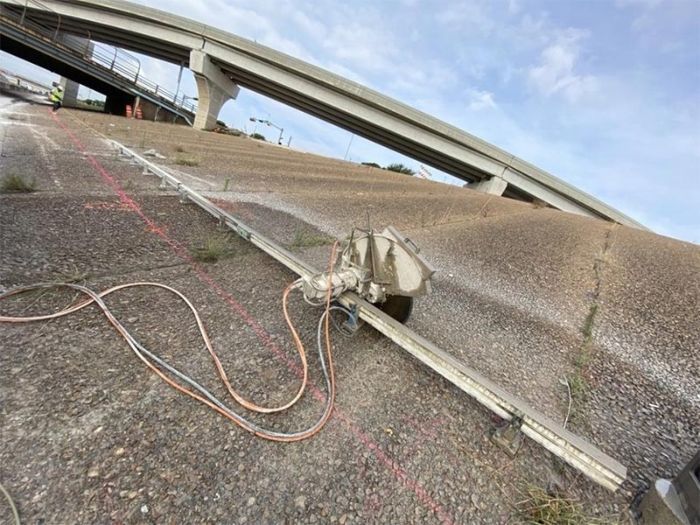
Discover how Ashton Sawing and Drilling uses advanced concrete wire sawing for precise, complex cuts in challenging construction and demolition projects.
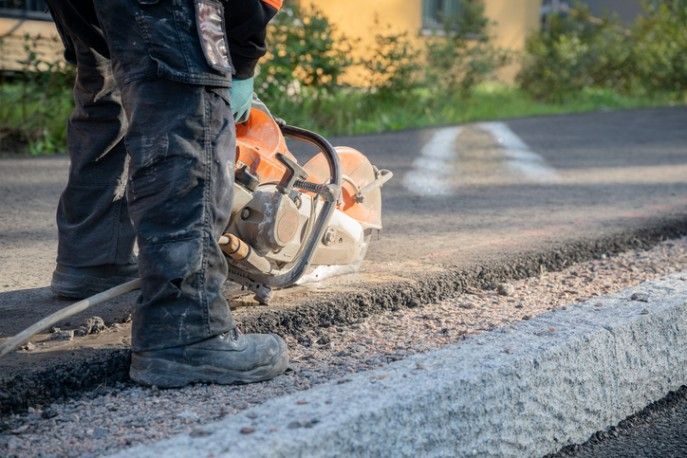
Ashton Sawing and Drilling performing concrete grooving to improve road safety
By Ashton Sawing and Drilling July 13, 2026
Learn how Ashton Sawing and Drilling improves road safety and performance with expert concrete grinding and grooving solutions for skid-resistant surfaces.
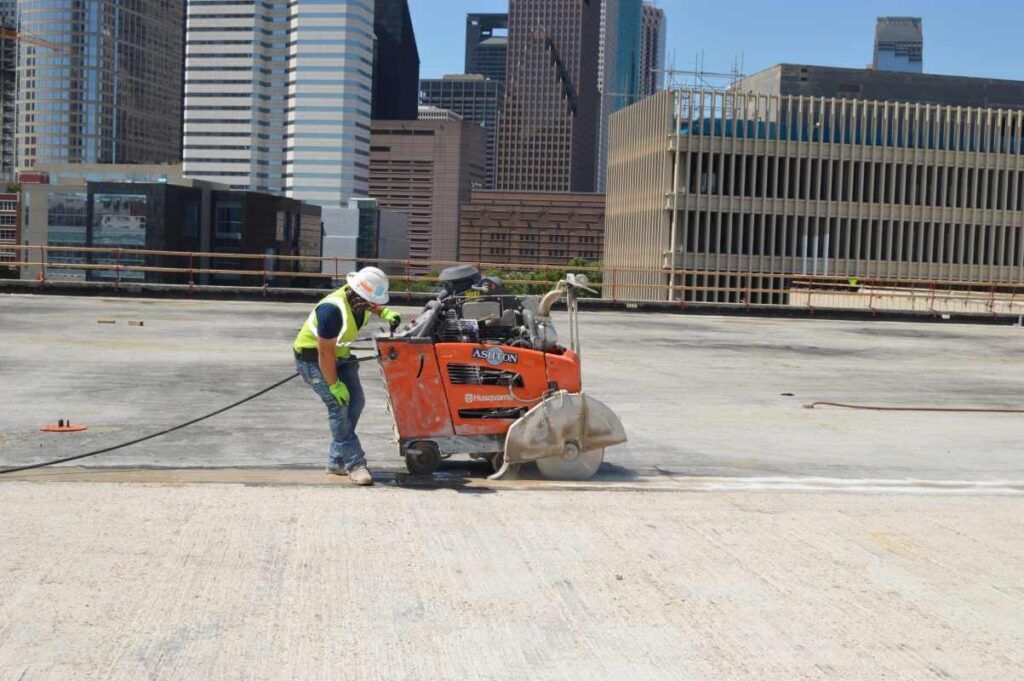
Ashton Sawing and Drilling using advanced equipment for precise concrete cutting
By Ashton Sawing and Drilling July 10, 2026
Explore how Ashton Sawing and Drilling has adopted cutting-edge methods, evolving from manual concrete cutting to advanced robotic precision solutions.
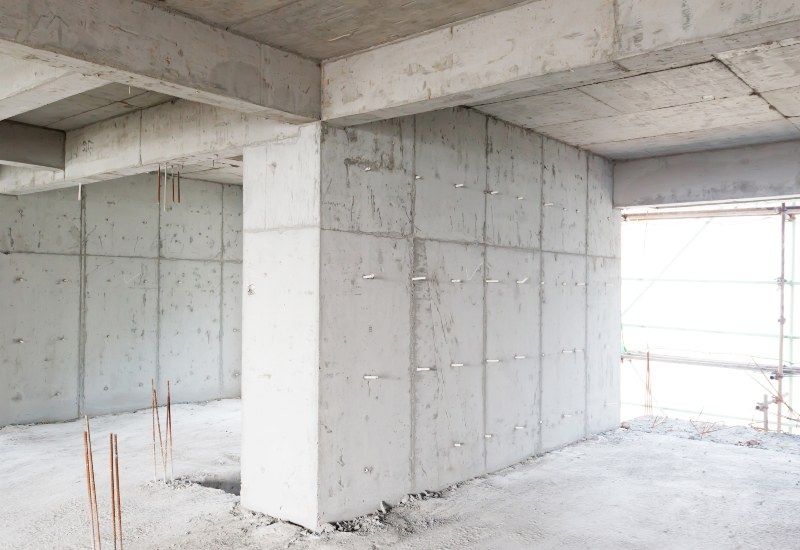
Unfinished concrete interior with beams and exposed rebar during construction in Texas & Louisiana
By Rivers, Melissa April 28, 2026
See how concrete’s thermal mass improves energy efficiency in buildings, reducing heating & cooling costs. Check this blog at Ashton Sawing and Drilling.
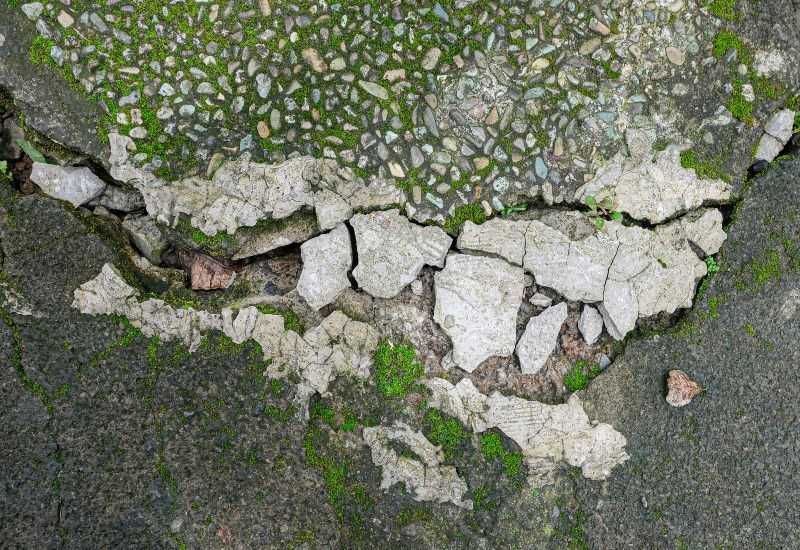
Cracked concrete surface with exposed aggregate and patches of green moss in Texas & Louisiana
By Rivers, Melissa April 14, 2026
Discover the impact of environmental weather conditions on concrete durability in Texas & Louisiana. Check out the blog from Ashton Sawing and Drilling.

Curved paved walkway bordered by green shrubs and a concrete retaining wall in Texas & Louisiana
By Rivers, Melissa March 31, 2026
Ashton Sawing and Drilling highlights styles worth consideration for emerging decorative concrete trends that inspire outdoor construction solutions.
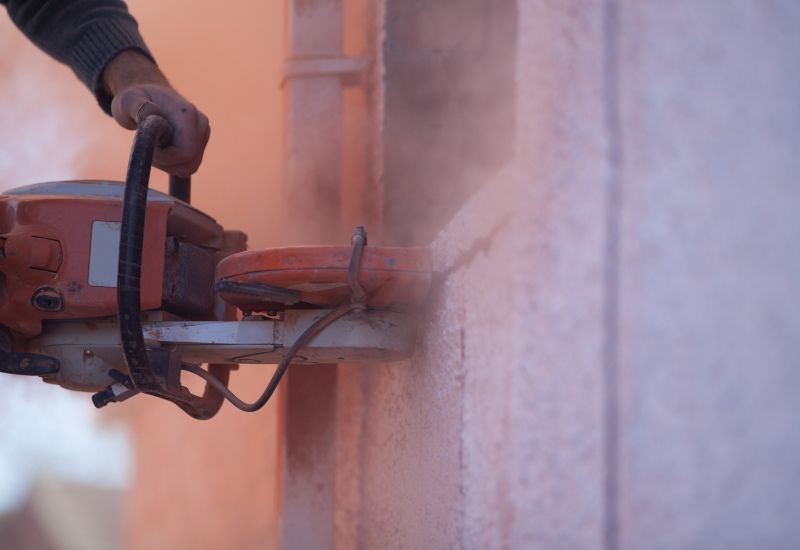
Handheld concrete saw cutting through a concrete wall, creating dust in Texas & Louisiana
By Rivers, Melissa March 17, 2026
Concrete cutting in historic preservation requires precision construction solutions. Ashton Sawing and Drilling shares expert best practices.
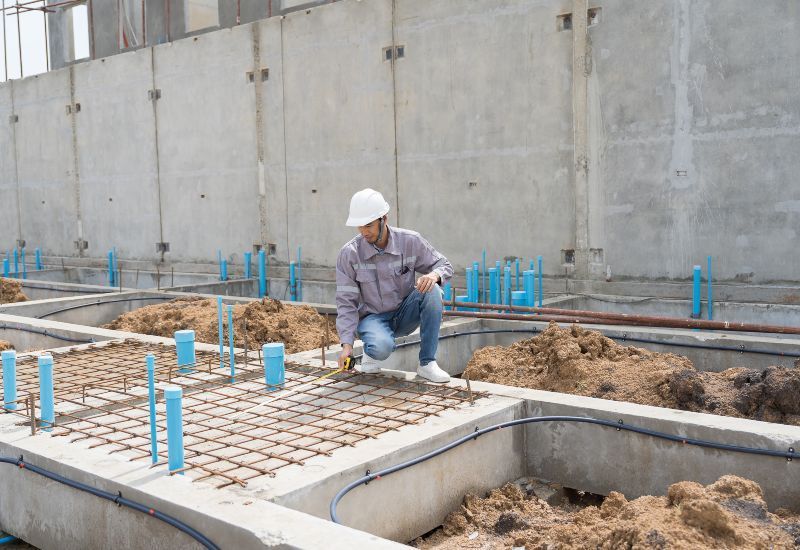
Construction worker measuring rebar grid in concrete foundation trenches in Texas & Louisiana
By Rivers, Melissa March 3, 2026
Ashton Sawing and Drilling breaks down the role of concrete in disaster-resilient design, which supports safer construction solutions in building designs.
Show More