How Climate Affects Concrete Performance in Texas and Louisiana

Rivers, Melissa • April 14, 2026

Share this article

Concrete is one of the most durable materials in construction, but it’s not immune to its environment. Across Texas and Louisiana, extreme weather can take a serious toll on concrete surfaces. From scorching summer heat to heavy rainfall and high humidity, the region’s climate presents constant challenges that affect how concrete performs over time.

At Ashton Sawing & Drilling, we’ve spent more than two decades working with concrete in some of the toughest conditions in the Gulf States. Understanding concrete performance under local climate stress isn’t just part of our job, it’s the key to delivering long-lasting results for every commercial and industrial project we take on.

Understanding Regional Construction Challenges

The Gulf region’s climate is as diverse as it is demanding. In Texas, long stretches of hot, dry weather create expansion and shrinkage cycles that test the limits of even the strongest concrete. In Louisiana, constant humidity and frequent storms expose concrete to moisture, salt, and temperature swings that can lead to cracking, erosion, and surface wear.

These regional construction challenges require more than a one-size-fits-all approach. The mix design, curing process, and finishing method must all be tailored to local conditions. That’s why our crews consider both environmental and structural factors before every pour or cut. By planning for how the climate will interact with the material, we reduce maintenance needs and extend service life. For builders and property owners, that means fewer repairs, fewer shutdowns, and greater return on investment.

Heat’s Effect on Concrete Performance

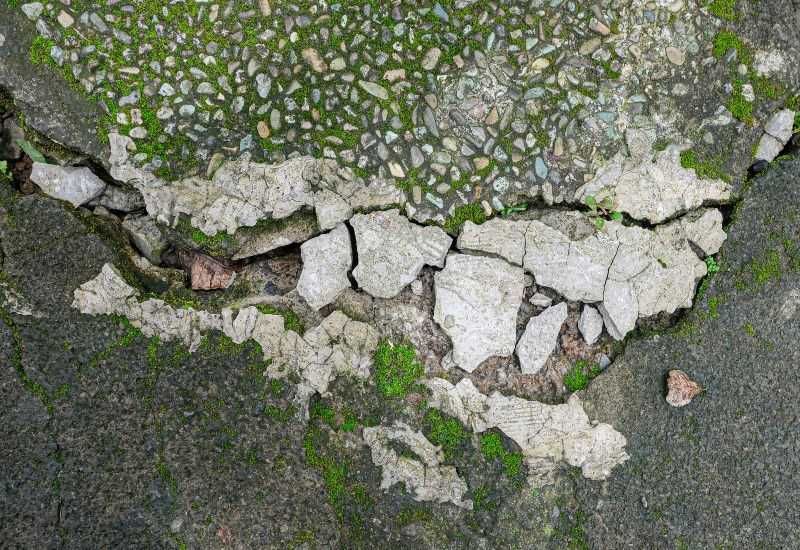
High temperatures are a defining feature of Texas and Louisiana’s construction environment. When concrete is exposed to prolonged heat, it can dry too quickly during curing. That rapid evaporation creates internal stress that leads to cracking and reduced strength. Over time, thermal expansion causes slabs and structural components to shift, producing joint movement and visible wear.

We combat this by adjusting mix designs to produce heat-resistant concrete that maintains moisture balance and cures evenly. Using the right aggregates, admixtures, and curing techniques helps keep concrete dense and strong despite the heat.

On large commercial sites, we often schedule pours during cooler parts of the day to slow evaporation. For slab cutting and precision demolition, we also monitor surface temperatures closely, since hot concrete can behave differently under saws and drilling tools. Every step is planned to preserve performance and safety.

Humidity & Moisture Damage

Louisiana’s humidity brings its own set of concerns. Excess moisture doesn’t just affect how concrete looks; it impacts its structural integrity. When water seeps into pores and capillaries, it carries minerals and salts that can lead to scaling, efflorescence, and eventual cracking.

The problem becomes worse when temperatures fluctuate, because trapped moisture expands and contracts within the slab. Over time, this weakens the concrete and shortens its lifespan. That’s why our approach focuses on moisture control from the very beginning.

We use proper vapor barriers, sealers, and curing compounds to keep water out of the mix. On existing structures, we offer concrete cutting and repair solutions that allow for targeted maintenance without damaging the surrounding material. Our goal is always to restore performance while protecting the original integrity of the structure.

Rainfall & Flood Exposure

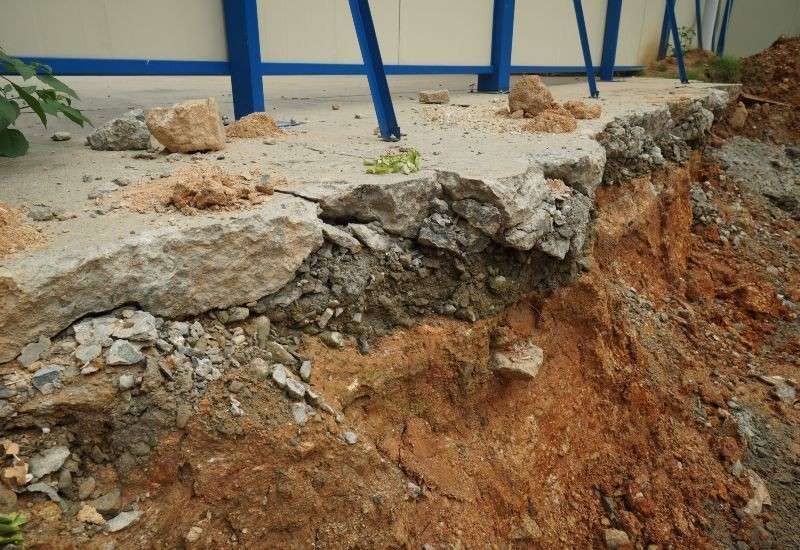
In a region where tropical storms and flooding are common, concrete must be designed to handle extreme weather events. Repeated exposure to standing water can wear away surface layers, while floodwaters often contain contaminants that accelerate corrosion in reinforced concrete.

We’ve worked on many projects where rebuilding after flooding required removing and replacing compromised slabs or foundations. Using mixes with higher density and lower permeability helps prevent this kind of damage. Proper drainage design and surface grading also make a big difference.

For structures in flood-prone zones, our teams often recommend coatings or finishes that repel water and resist chemical breakdown. These preventive measures keep surfaces intact and reduce long-term repair costs.

Cold Snaps & Expansion Stress

Although the southern states rarely face deep freezes, even short cold periods can affect concrete performance. Rapid changes in temperature cause expansion and contraction that create microfractures. These tiny cracks may not be visible at first, but they can grow over time and allow moisture to penetrate deeper into the slab.

We mitigate this by controlling curing conditions and using proper joint spacing during installation. When cracks appear in older structures, our wire and wall sawing services make it possible to remove and replace affected sections precisely, restoring structural integrity without unnecessary damage.

How Climate Impacts Decorative & Structural Finishes

Outdoor surfaces like patios, parking areas, and walkways are especially vulnerable to environmental stress. Direct sunlight, rain, and temperature swings can fade stains, erode textures, and loosen sealers.

To maintain outdoor concrete finishes, we use products rated for UV and moisture resistance. These finishes not only enhance appearance but also add a layer of protection against the elements. In industrial and commercial environments, we often pair decorative finishes with structural reinforcement, ensuring that beauty doesn’t come at the cost of performance.

Our crews understand that concrete’s behavior changes with the weather. Every cut, polish, or pour is done with that reality in mind.

Adapting to the Environment With Smart Construction Practices

Effective climate adaptation starts with planning. Before any project begins, we consider how site conditions will affect concrete behavior during and after installation. Wind, humidity, and temperature all influence how mixes cure and perform.

We also make sure the right tools are used for each job. Electric saws, for example, are ideal for indoor work where humidity levels are controlled, while diesel equipment handles heavy outdoor cutting in open environments. Choosing the right equipment for the conditions ensures safer, cleaner, and more efficient results. Our ability to handle every stage, from placement and cutting to precision demolition and structural concrete work, means clients get solutions that perform consistently no matter the weather.

Protecting Your Investment Over Time

Concrete is designed to last, but longevity depends on maintenance. Regular cleaning, sealing, and inspections go a long way toward preventing damage caused by moisture or heat. When issues arise, early detection allows for targeted repairs before problems spread.

For property owners in Texas and Louisiana, partnering with an experienced contractor makes all the difference. We understand the region’s unique weather impact on concrete and use that knowledge to recommend the best long-term solutions. Whether the project involves a new foundation, slab repair, or controlled cutting for an upgrade, our approach always prioritizes performance and protection.

Build for the Climate With Ashton Sawing & Drilling

At Ashton Sawing & Drilling, we know the Gulf climate inside and out. Our experience with regional construction challenges has taught us how to design, cut, and maintain heat-resistant concrete that holds up under real-world conditions.

We help builders, engineers, and property owners make smarter choices that lead to stronger, longer-lasting results. Every project we take on reflects our commitment to precision, safety, and quality craftsmanship. If you’re planning a project in Texas or Louisiana, reach out to us today. Let’s make sure your concrete is ready for anything the weather brings.

Recent Posts

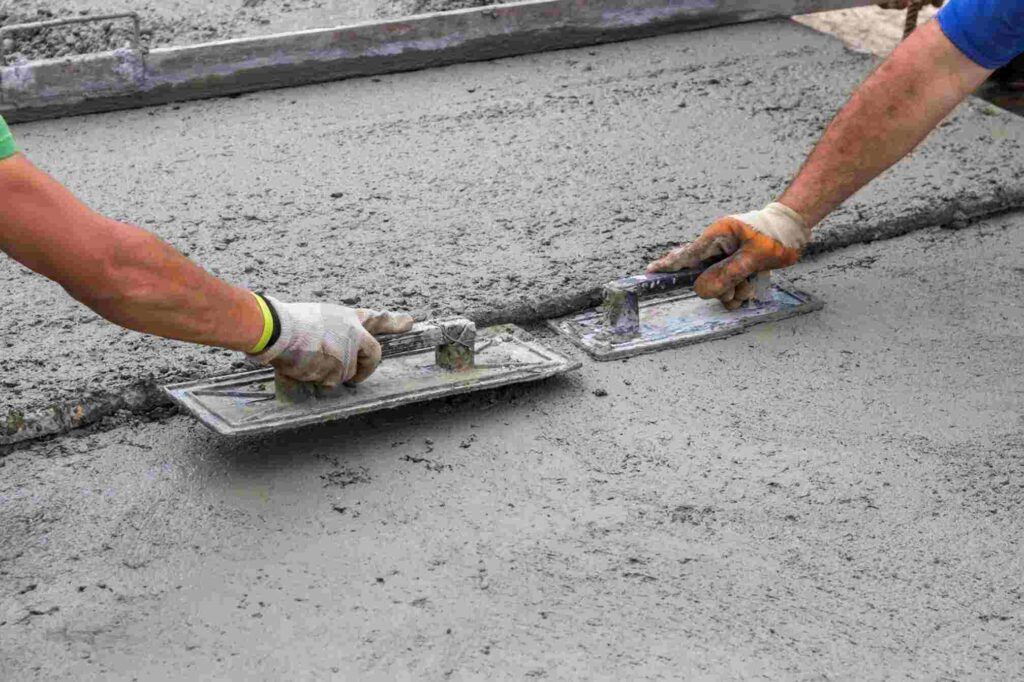
Ashton Sawing and Drilling team placing concrete using advanced construction techniques
By Ashton Sawing and Drilling July 22, 2026
Discover how Ashton Sawing and Drilling supports advanced concrete placement techniques for complex, unique structures requiring precision and durability.
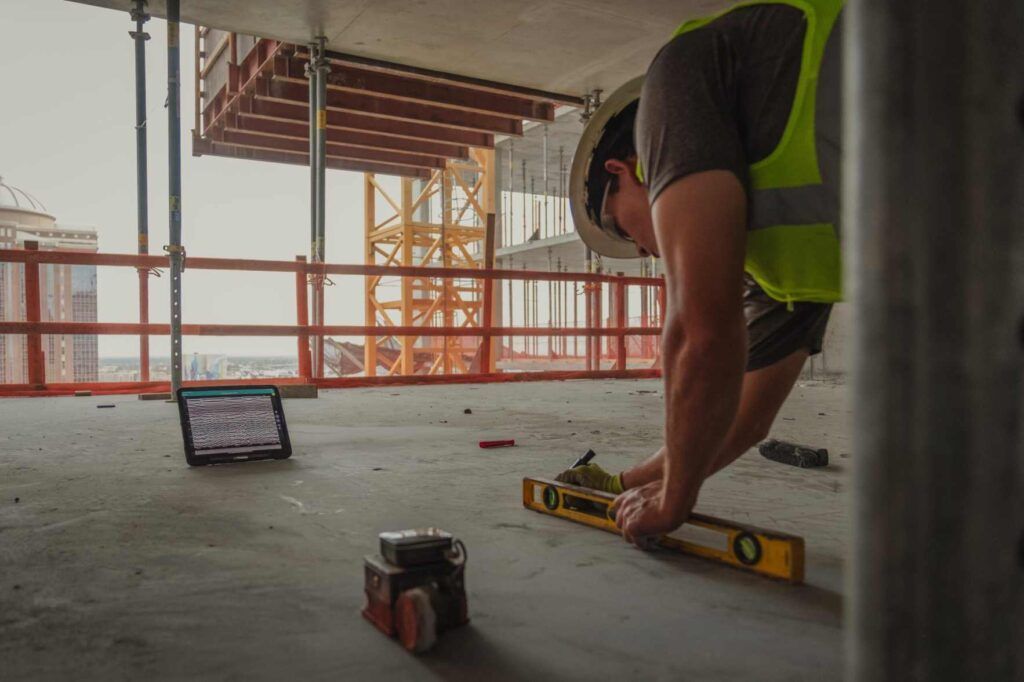
Ashton Sawing and Drilling using scanning tools to detect embedded concrete hazards
By Ashton Sawing and Drilling July 20, 2026
Discover how Ashton Sawing and Drilling uses advanced concrete scanning to detect hidden hazards and prevent costly mistakes in construction projects.
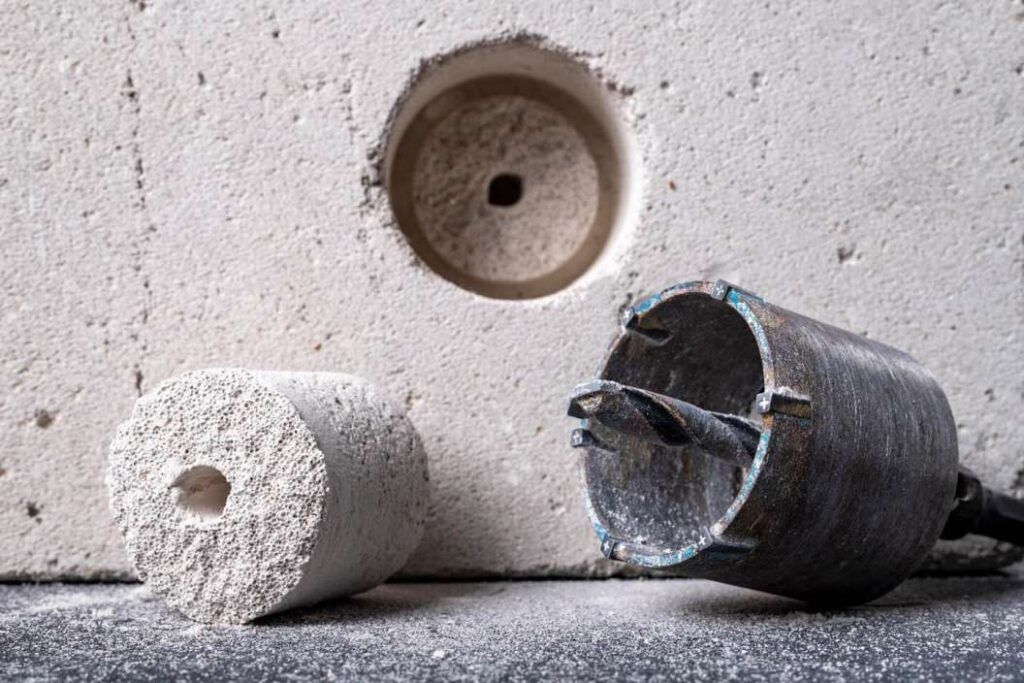
Ashton Sawing and Drilling performing precise core drilling in concrete wall
By Ashton Sawing and Drilling July 17, 2026
Learn how Ashton Sawing and Drilling ensures safe, accurate core drilling with industry best practices for efficient and precise concrete cutting projects.
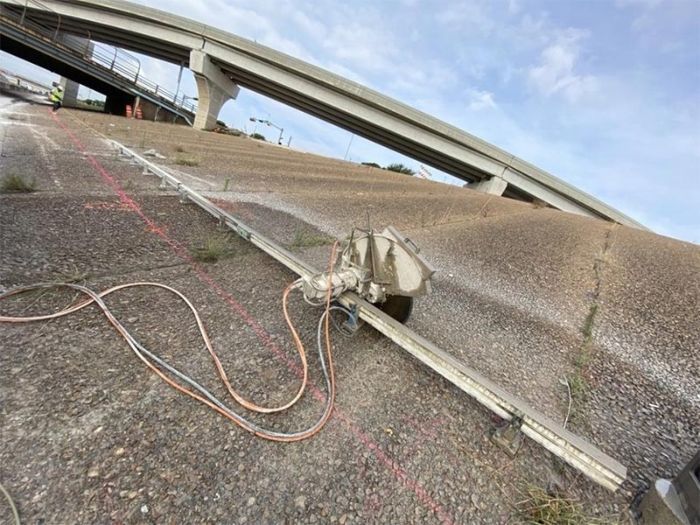
Ashton Sawing and Drilling using wire sawing for complex concrete cutting projects
By Ashton Sawing and Drilling July 15, 2026
Discover how Ashton Sawing and Drilling uses advanced concrete wire sawing for precise, complex cuts in challenging construction and demolition projects.
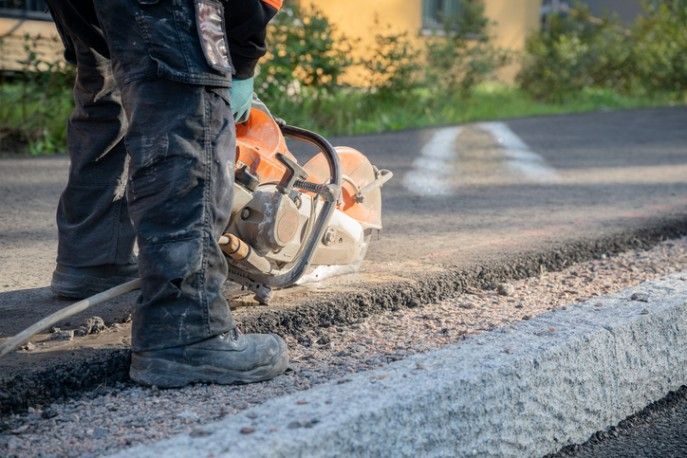
Ashton Sawing and Drilling performing concrete grooving to improve road safety
By Ashton Sawing and Drilling July 13, 2026
Learn how Ashton Sawing and Drilling improves road safety and performance with expert concrete grinding and grooving solutions for skid-resistant surfaces.
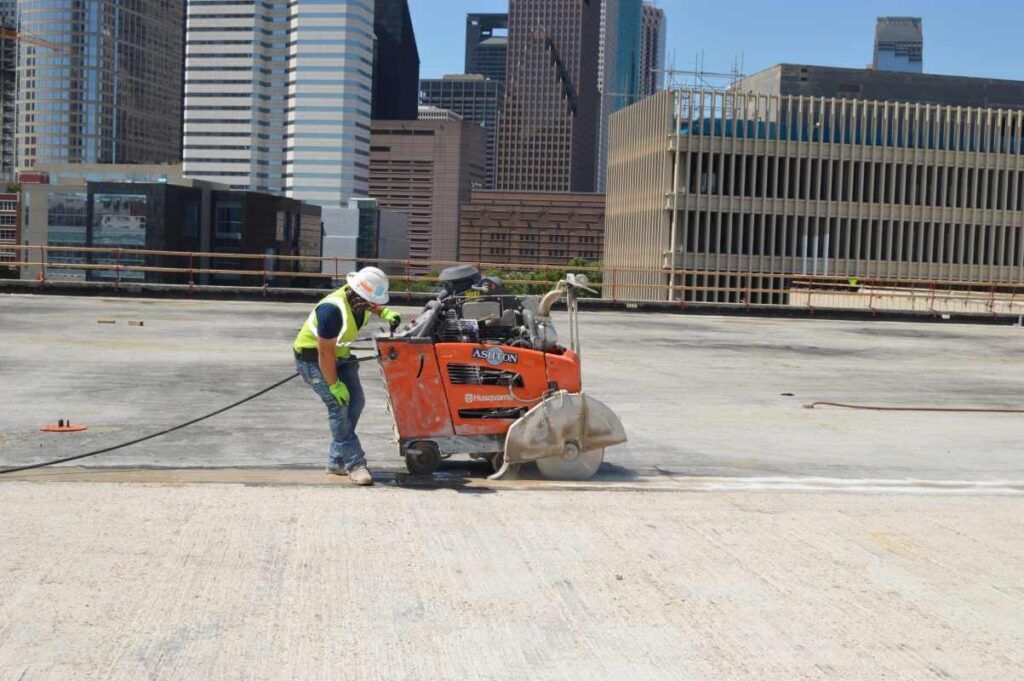
Ashton Sawing and Drilling using advanced equipment for precise concrete cutting
By Ashton Sawing and Drilling July 10, 2026
Explore how Ashton Sawing and Drilling has adopted cutting-edge methods, evolving from manual concrete cutting to advanced robotic precision solutions.
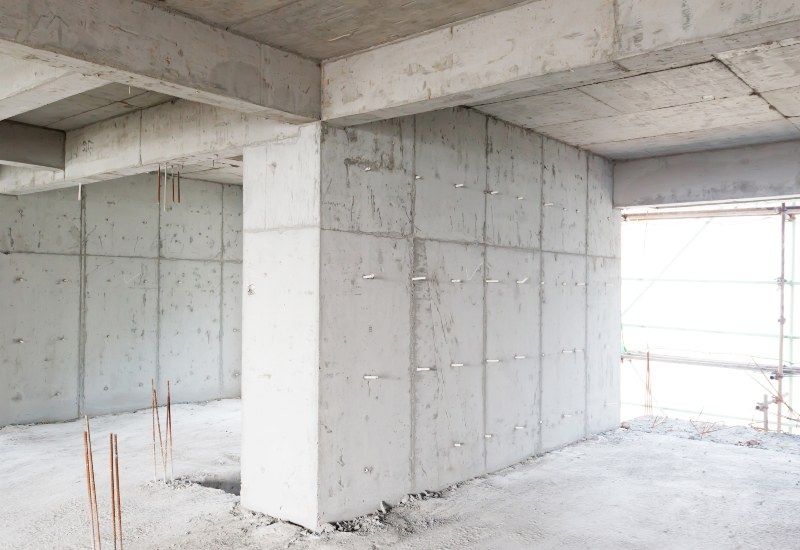
Unfinished concrete interior with beams and exposed rebar during construction in Texas & Louisiana
By Rivers, Melissa April 28, 2026
See how concrete’s thermal mass improves energy efficiency in buildings, reducing heating & cooling costs. Check this blog at Ashton Sawing and Drilling.
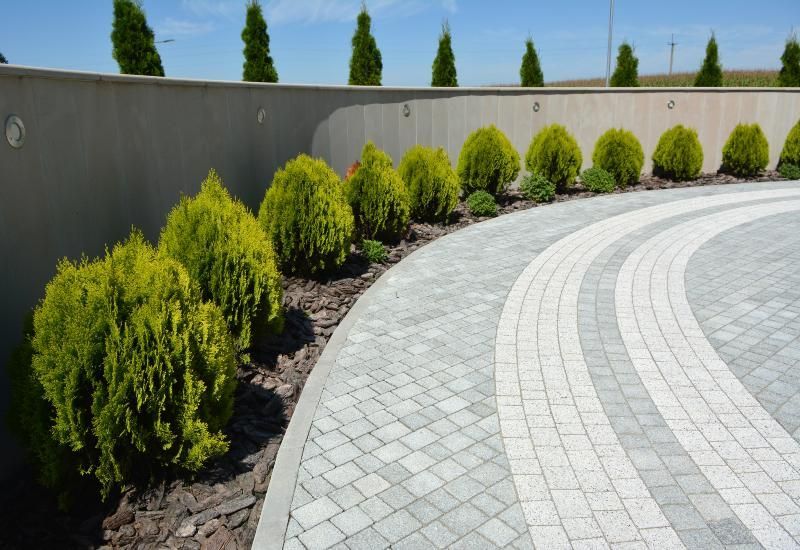
Curved paved walkway bordered by green shrubs and a concrete retaining wall in Texas & Louisiana
By Rivers, Melissa March 31, 2026
Ashton Sawing and Drilling highlights styles worth consideration for emerging decorative concrete trends that inspire outdoor construction solutions.
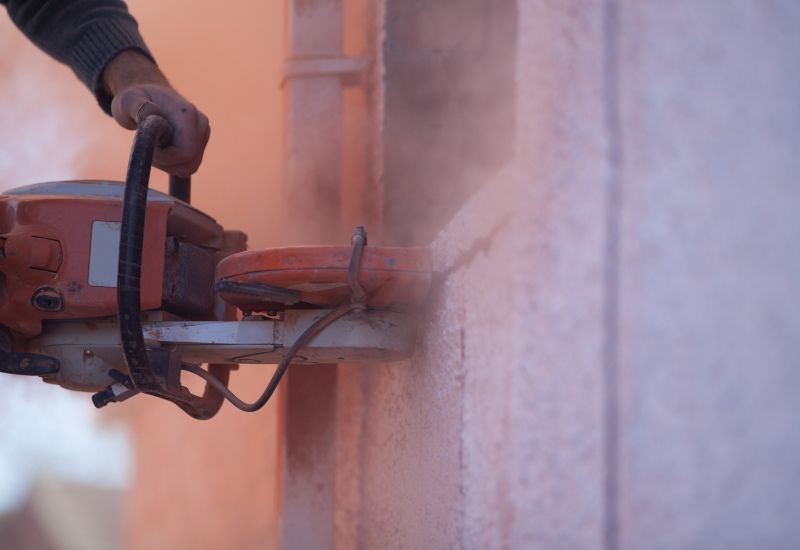
Handheld concrete saw cutting through a concrete wall, creating dust in Texas & Louisiana
By Rivers, Melissa March 17, 2026
Concrete cutting in historic preservation requires precision construction solutions. Ashton Sawing and Drilling shares expert best practices.
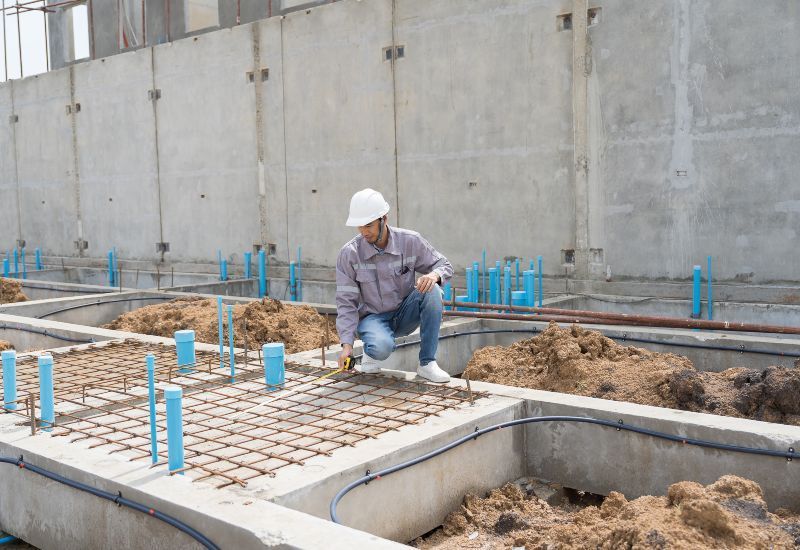
Construction worker measuring rebar grid in concrete foundation trenches in Texas & Louisiana
By Rivers, Melissa March 3, 2026
Ashton Sawing and Drilling breaks down the role of concrete in disaster-resilient design, which supports safer construction solutions in building designs.
Show More