Revolutionizing Concrete Placement with Specialty Techniques for Unique Structures

Ashton Sawing and Drilling • July 22, 2026

Share this article

Learn About Specialty Concrete Placement Techniques

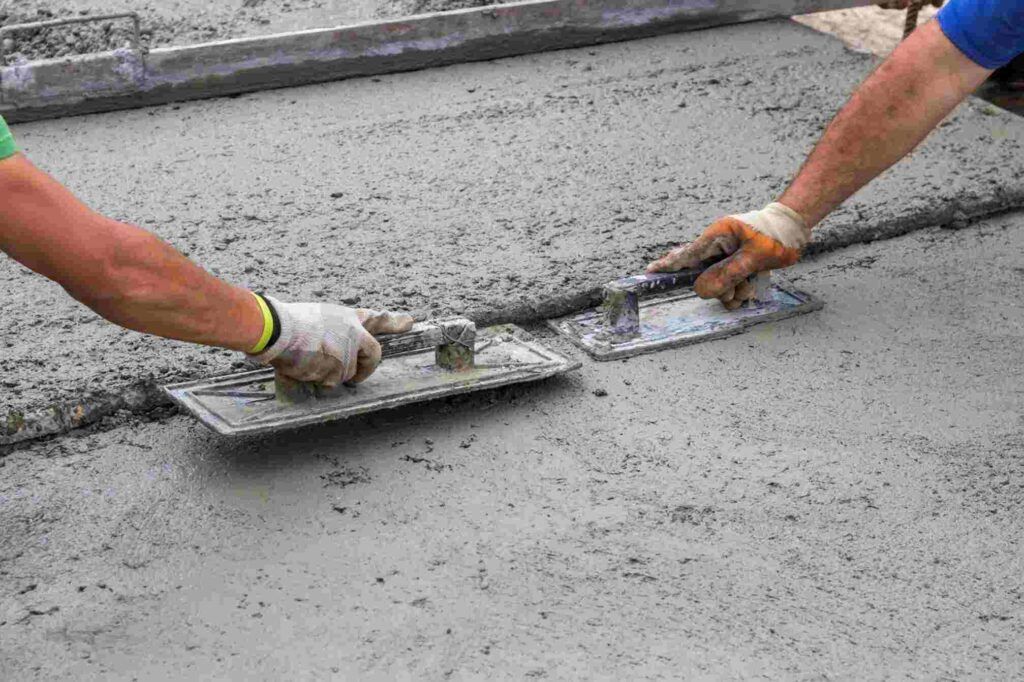
Concrete placement helps shape structures that demand strength, precision, and long-term performance. Specialized methods allow crews to handle complex pours, tight timelines, and one-of-a-kind builds with confidence. This blog explores how advanced techniques and skilled execution bring unique designs to life while meeting structural project requirements. You can expect clear insights into processes, materials, and equipment that derive reliable results in commercial, industrial, and specialty concrete work.

Understanding Specialty Concrete Placement

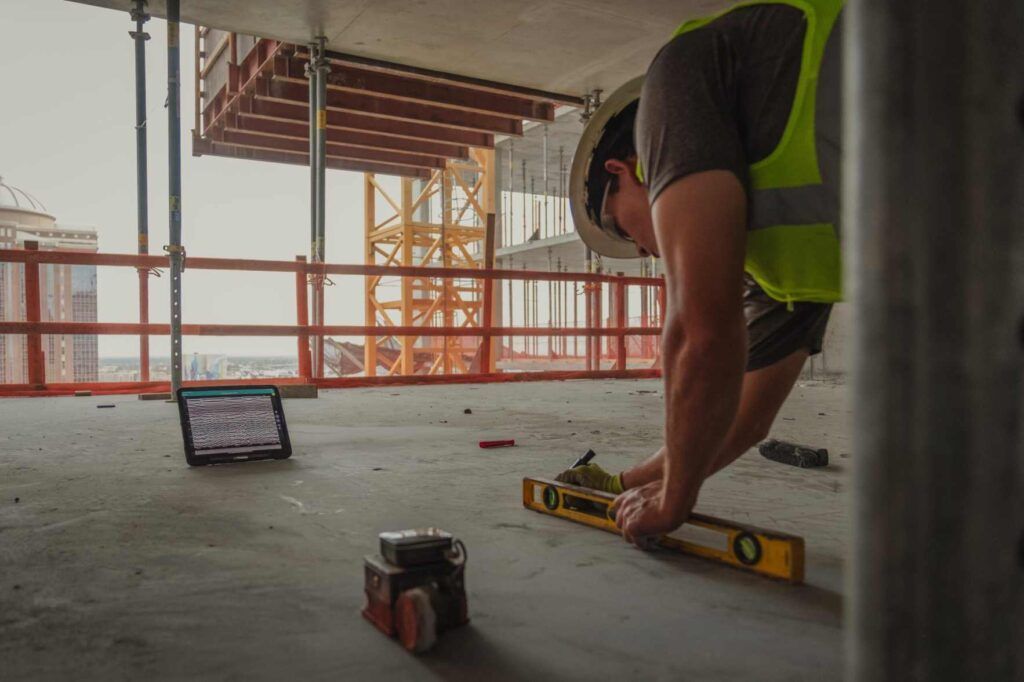
Specialty concrete placement requires clear planning, skilled crews, and the right technology to handle complex structures and tight specifications. Each project brings different challenges, from intricate layouts to heavy reinforcement and limited access areas. Accurate preparation relies on tools like concrete scanning services to locate embedded elements and prevent costly errors during placement. Strong coordination between equipment, materials, and crew execution keeps pours consistent and controlled. With the right approach, specialty concrete work supports durability, structural integrity, and a clean finish that meets demanding project standards.

Key Challenges in Conventional Concrete Placement

Placing concrete materials presents several challenges that require careful planning and experienced crews. Traditional techniques often struggle to keep pace with complex project requirements, tight schedules, and demanding site conditions. Variations in material flow, site access, and coordination between trades can impact the final results. Understanding these common issues helps improve efficiency, reduce waste, and protect structural quality. Below highlights key challenges teams face during traditional concrete placement and why proper execution matters:

  • Inconsistent Material Flow – Uneven distribution of concrete can lead to weak spots and surface defects. Crews must closely manage timing and delivery to maintain a steady, controlled pour.
  • Limited Site Access – Tight or obstructed job sites can restrict equipment movement and placement accuracy. Skilled operators and the right tools are required to work in confined areas.
  • Environmental Conditions – Weather changes can affect curing time and overall concrete performance. Teams must adapt quickly to maintain quality and meet project standards.
  • Reinforcement Conflicts – Dense rebar layouts can make placement more difficult and increase the risk of voids. Proper planning and positioning ensure concrete fills all critical spaces.

The Benefits of Specialty Concrete Techniques

Specialty concrete techniques bring greater control, accuracy, and consistency to demanding projects. Crews can manage complex forms, heavy reinforcement, and detailed specifications with confidence when advanced methods are in place. These techniques improve efficiency while supporting strong, long-lasting results across commercial and industrial builds. Careful planning, modern equipment, and experienced execution all contribute to better field performance. The following benefits show how specialty approaches improve outcomes and keep projects moving with fewer disruptions:

  • Improved Placement Accuracy – specialized methods allow crews to place concrete exactly where it’s needed without excess movement or rework. This level of control supports structural strength and a cleaner final finish.
  • Faster Project Timelines – Advanced equipment and techniques help speed up the placement process without sacrificing quality. Crews can complete pours while meeting strict schedules.
  • Enhanced Structural Integrity – Proper placement ensures concrete fills every space around reinforcement and forms. This reduces the risk of voids and supports long-term durability.
  • Reduced Labor Strain – Modern placement equipment minimizes the physical demands on crews during pours. This helps maintain productivity while supporting safer working conditions.

Role of Technology in Modern Concrete Placement

Technology drives precision and efficiency in modern concrete work, allowing crews to meet strict project demands with confidence. Advanced concrete placement equipment supports accurate pours, controlled flow, and consistent results across a range of applications. Digital planning tools and scanning systems improve coordination before work begins, reducing uncertainty on active job sites. Equipment innovations also help create better control over complex structures and challenging environments. Reliable performance depends on combining skilled operators with proven technology that keeps projects on schedule and delivers strong, lasting, concrete results.

Best Practices for Successful Implementation

Successful implementation depends on disciplined planning, experienced crews, and clear execution in the field. Each phase requires attention to detail, from early design coordination to final finishing. Crews must stay aligned on timing, materials, and equipment use to meet structural specifications. Strong communication and proper preparation help avoid delays and improve overall results. Explore a few best practices that highlight key steps that support consistent, high-quality outcomes on complex concrete projects:

  • Detailed Pre-Project Planning – Clear planning defines placement methods, equipment needs, and crew responsibilities before work begins. This preparation helps reduce confusion and keeps every phase organized from start to finish.
  • Accurate Site Evaluation – Thorough site inspections identify access points, obstacles, and structural requirements. Teams use this information to choose the right approach and prevent issues during placement.
  • Proper Material Management – Consistent material quality supports uniform placement and long-term durability. Crews must monitor timing, temperature, and mix specifications to maintain control during pours.
  • Ongoing Communication – Strong communication keeps crews aligned on progress, adjustments, and safety measures. Regular updates help maintain efficiency and ensure work stays on schedule.

Safety Considerations in Advanced Placement Methods

Advanced placement methods require strict attention to safety at every stage of work. Crews must follow clear procedures while handling specialized equipment, high-volume pours, and complex structures. Proper training prepares teams to recognize hazards and respond quickly in active job environments. Equipment inspections, protective gear, and job site controls all support safe operations. Consistent safety meetings and on-site evaluations help maintain awareness throughout each phase. A strong safety focus protects workers, keeps projects moving forward, and ensures reliable results under demanding conditions.

Learn More About Our Concrete Placement Services

Reliable results depend on the right crew, the right equipment, and a clear plan from start to finish. Concrete placement must stay precise, efficient, and aligned with project goals to support long-term performance. Proven methods and experienced professionals help keep work on track and deliver consistent outcomes. Get your next project moving with a team focused on quality and accountability. Contact us today to schedule concrete placement services built for demanding structures and tight timelines.

Concrete Placement FAQs

How Does Specialty Placement Differ from Traditional Methods?

Traditional methods follow standard procedures that work well for simple layouts and open sites. Specialty placement uses targeted approaches and advanced tools to handle unique builds and challenging conditions.

Why Are Specialty Techniques Important for Unique Structures?

Unique structures often include complex shapes, heavy reinforcement, or restricted access areas. Specialty techniques allow crews to place concrete accurately while maintaining structural strength and quality.

How Do Crews Maintain Quality During Complex Pours?

Experienced teams closely monitor placements and adjust techniques as needed. They manage timing, material flow, and finishing to ensure strong and uniform results.

Can Specialty Placement Support a Fast Project Timeline?

Advanced techniques and equipment allow crews to work efficiently without sacrificing quality. Proper coordination and execution help meet tight schedules while maintaining reliable results.

Recent Posts

Ashton Sawing and Drilling using scanning tools to detect embedded concrete hazards
By Ashton Sawing and Drilling July 20, 2026
Discover how Ashton Sawing and Drilling uses advanced concrete scanning to detect hidden hazards and prevent costly mistakes in construction projects.
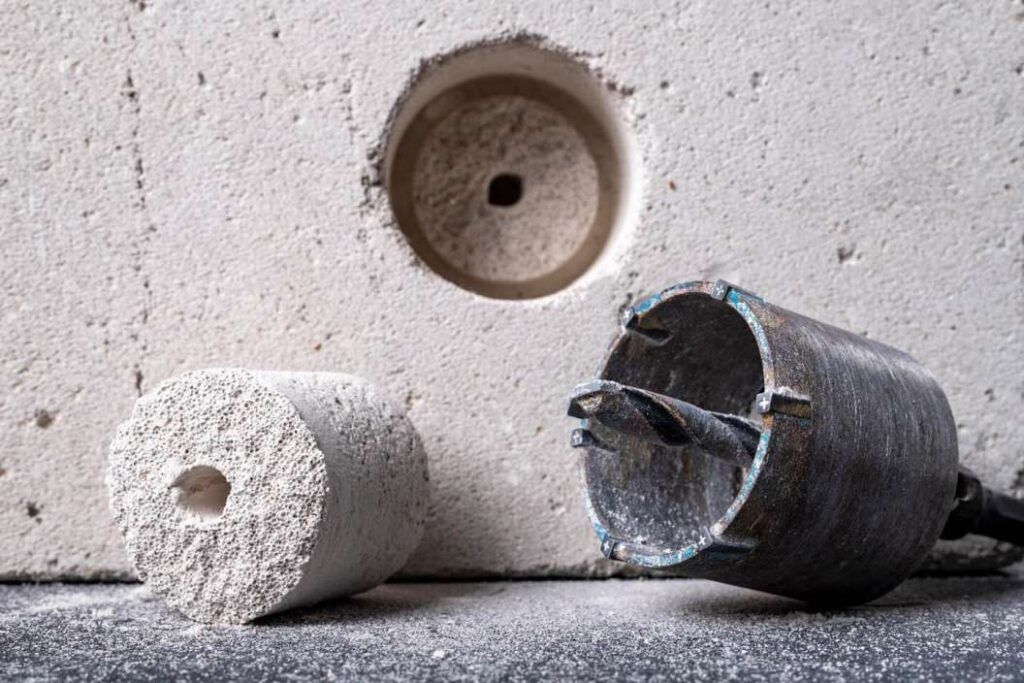
Ashton Sawing and Drilling performing precise core drilling in concrete wall
By Ashton Sawing and Drilling July 17, 2026
Learn how Ashton Sawing and Drilling ensures safe, accurate core drilling with industry best practices for efficient and precise concrete cutting projects.
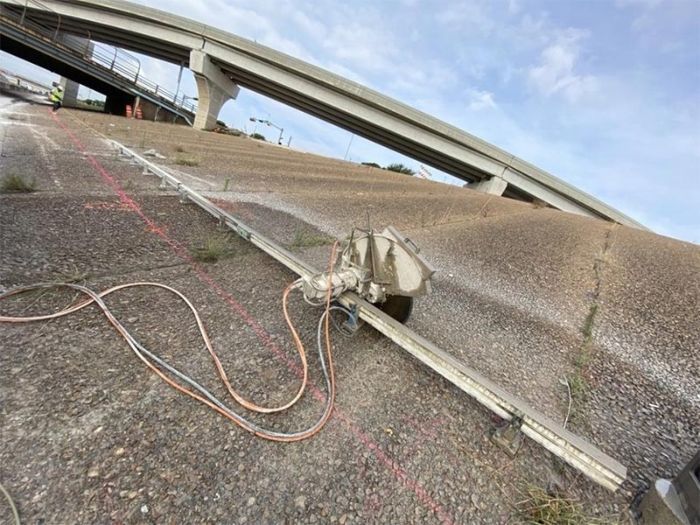
Ashton Sawing and Drilling using wire sawing for complex concrete cutting projects
By Ashton Sawing and Drilling July 15, 2026
Discover how Ashton Sawing and Drilling uses advanced concrete wire sawing for precise, complex cuts in challenging construction and demolition projects.
Ashton Sawing and Drilling performing concrete grooving to improve road safety
By Ashton Sawing and Drilling July 13, 2026
Learn how Ashton Sawing and Drilling improves road safety and performance with expert concrete grinding and grooving solutions for skid-resistant surfaces.
Ashton Sawing and Drilling using advanced equipment for precise concrete cutting
By Ashton Sawing and Drilling July 10, 2026
Explore how Ashton Sawing and Drilling has adopted cutting-edge methods, evolving from manual concrete cutting to advanced robotic precision solutions.
Unfinished concrete interior with beams and exposed rebar during construction in Texas & Louisiana
By Rivers, Melissa April 28, 2026
See how concrete’s thermal mass improves energy efficiency in buildings, reducing heating & cooling costs. Check this blog at Ashton Sawing and Drilling.
Cracked concrete surface with exposed aggregate and patches of green moss in Texas & Louisiana
By Rivers, Melissa April 14, 2026
Discover the impact of environmental weather conditions on concrete durability in Texas & Louisiana. Check out the blog from Ashton Sawing and Drilling.
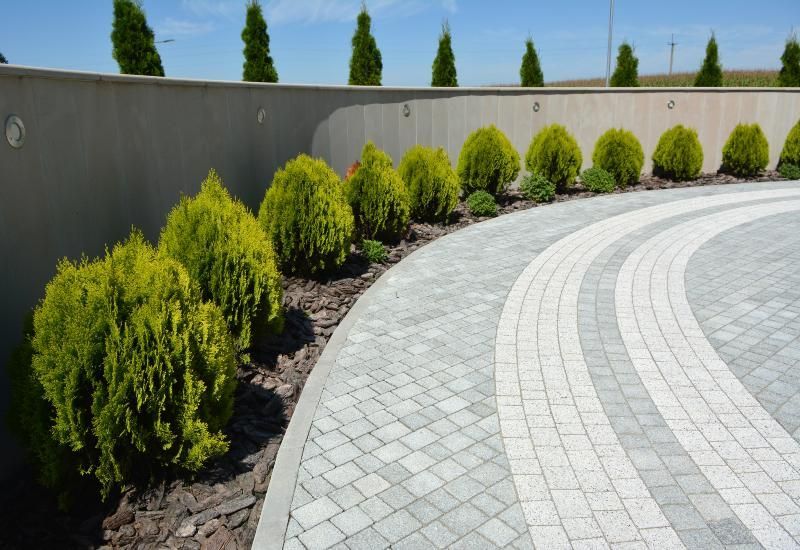
Curved paved walkway bordered by green shrubs and a concrete retaining wall in Texas & Louisiana
By Rivers, Melissa March 31, 2026
Ashton Sawing and Drilling highlights styles worth consideration for emerging decorative concrete trends that inspire outdoor construction solutions.
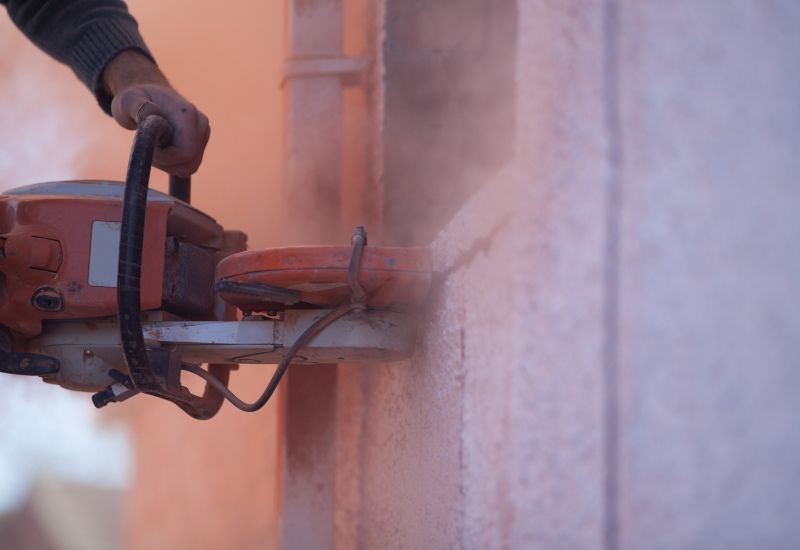
Handheld concrete saw cutting through a concrete wall, creating dust in Texas & Louisiana
By Rivers, Melissa March 17, 2026
Concrete cutting in historic preservation requires precision construction solutions. Ashton Sawing and Drilling shares expert best practices.
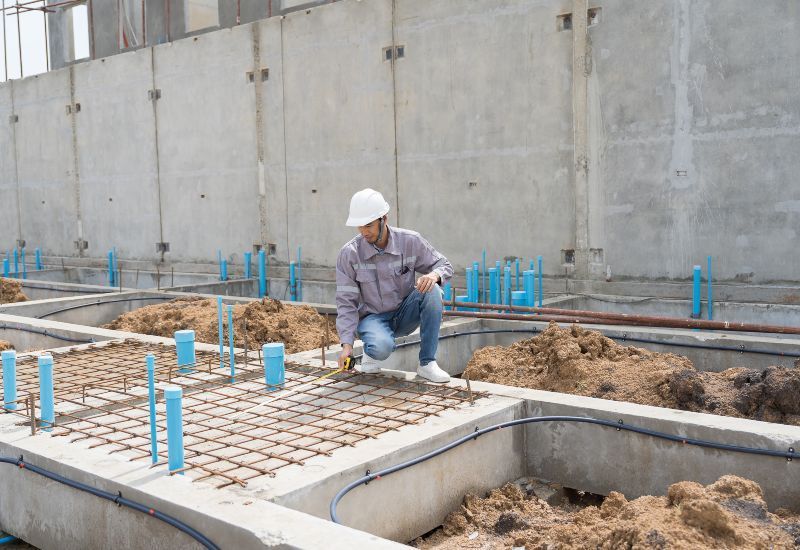
Construction worker measuring rebar grid in concrete foundation trenches in Texas & Louisiana
By Rivers, Melissa March 3, 2026
Ashton Sawing and Drilling breaks down the role of concrete in disaster-resilient design, which supports safer construction solutions in building designs.
Show More